27th November - 6th December 2026
9:00 - 21:00
House of Croatian Defenders
Leharova 1, Pula
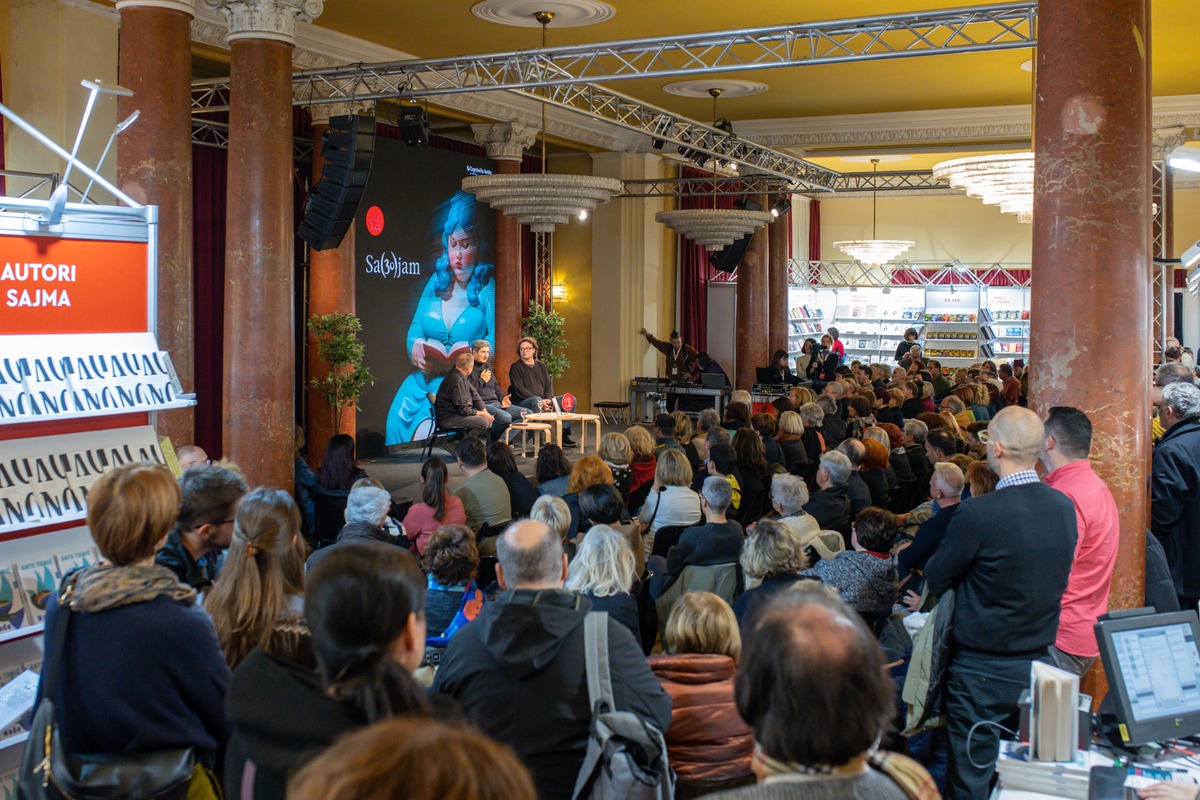
The author of the cult classic Nobility of Spirit: A Forgotten Ideal, the Dutch philosopher Rob Riemen, the renowned Slovenian philosopher and social theorist Alenka Zupančič, the feminist and postcolonial theorist Biljana Kašić, the musical diva Tamara Obrovac, the philosopher Žarko Paić, the Italian political philosopher Donatella di Cesare, and the novelist, columnist, and screenwriter Ante Tomić were the main guests on the second day of the 30th Book Fair(y) in Istria which reached its emotional peak at Monte Zaro, where the Boško Obradović Path, named after the Fair’s founder, was inaugurated.
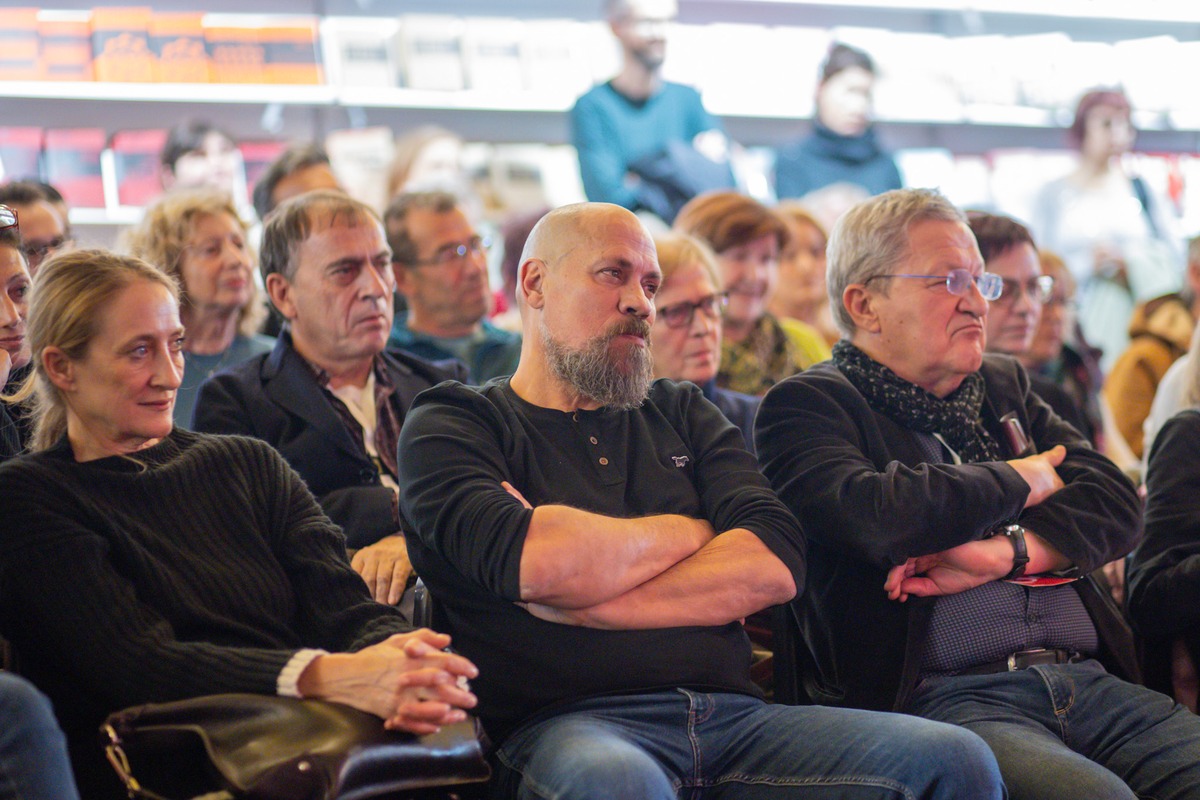
On the fair’s stage, alongside the distinguished authors, were also excellent moderators – the cultural theorist Aljoša Pužar, the ethnologist and anthropologist Andrea Matošević, the writer, journalist, and screenwriter Emir Imamović Pirke, and the art historian and art theoretician Leonida Kovač. Among other things, the questions of civilization and contemporary thinking today, gender microcosms, the correlation and interpenetration of music and text, as themes of migration and the problem of acceptance and acceptance of the other, were raised, and in the end, everything was concluded with a story about hope. The audience enjoyed this intellectual and artistic abundance, and so did the authors. Apart from the international guests there were outstanding translators Ivana Ostojčić, Iva Grgić Maroević, and Božica Kitičić Punč, while Ante Tomić was accompanied by Marko Despot, who translated his stories into French. Once again, both the audience and the authors witnessed the fact that translators form one of the brightest microcosms of the Fair.
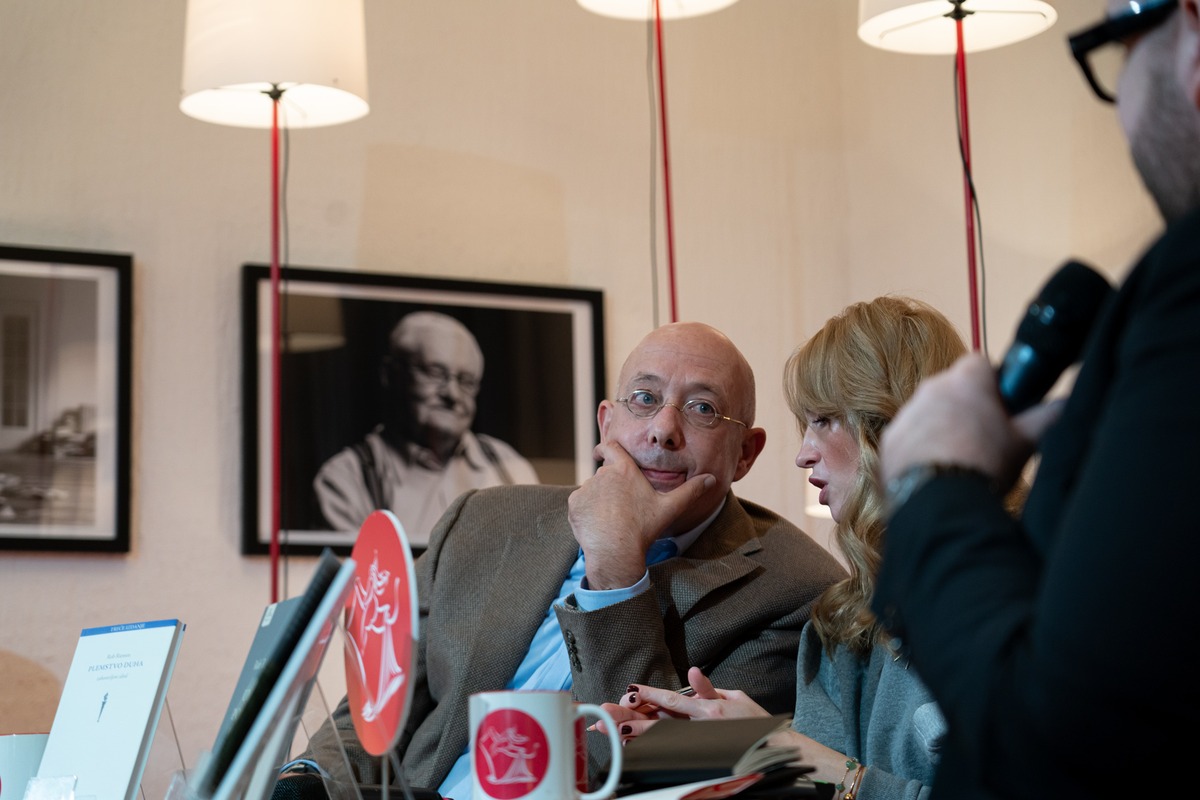
“The elites are not the change. The elites are the crisis, and change will come from below. I place my hopes in places and conversations like the Pula Book Fair. The Renaissance began with a single book, and one idea can change the world. I believe that Magdalena Vodopija and her Fair will persevere on that path,” said Rob Riemen, the Dutch writer, cultural philosopher, and founder of the Nexus Institute and a guest of Aljoša Pužar on Saturday’s Breakfast with the Author. He also expressed this idea in the essay he prepared for the Pula Book Fair, in which he writes: “A structural change in a society’s worldview can only occur through a return to the first principle of liberal education, which equates to the idea of the first principle of true universality: the idea of universitas. Artistic education, the gifts of the Muses, are essential because literature, poetry, and music are far stronger than people generally realize in drawing us out of the cave in which we dwell.”
The microcosm of gender as a space of negotiation and a possibility for exploring freedom and the forbidden parts within us, as well as the issue of epistemological violence, were among the questions raised at the round table Gender Microcosms. Participants of the discussion, Alenka Zupančič and Biljana Kašić, presented their perspectives on “today’s global gender-discriminatory and necropolitical situation permeated by the dominant (neo)patriarchal cultural paradigm.” The emphasis was also placed on providing insight into possible alternative, liberating gender microcosms. The moderator of the round table, Leonida Kovač, chose as one of discussion starting points the book Who’s Afraid of Gender? by philosopher Judith Butler published in 2024, pointing out that the author “masterfully deconstructed the meanings and political implications of gender categories, arguing against the destructiveness of gender binarisms. The book can be understood as Butler’s response to the phrase gender ideology, which the far right and clerical circles deliberately and systematically misuse to misinterpret the feminist understandings of gender and the demands for equality that necessarily imply a transformation of patriarchal epistemological paradigms.” This panel, dedicated to this year’s fair theme, which was part of the Ljubljana reads (Ljubljana bere) program, and at the start of it, Matea Demšić, Head of the Department of Culture of the City of Ljubljana, a longtime guest and friend of the Fair, congratulated the Book Fair on its 30th anniversary.
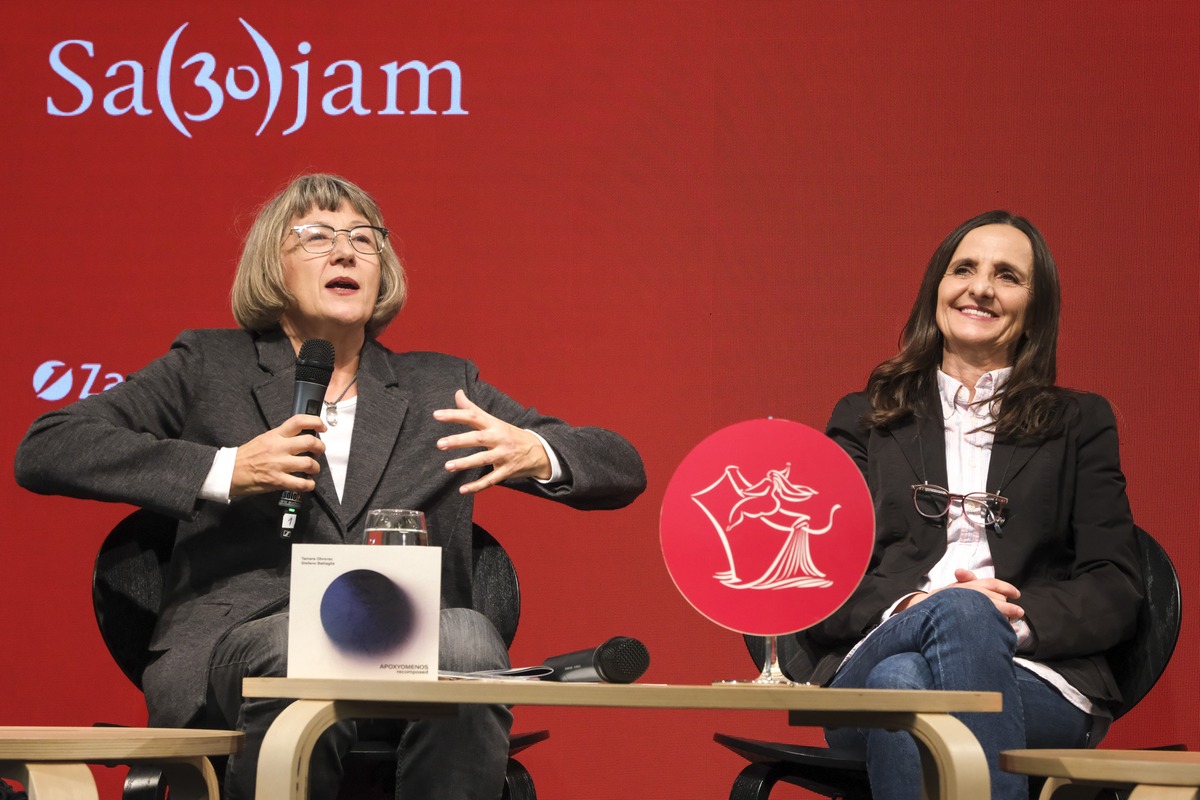
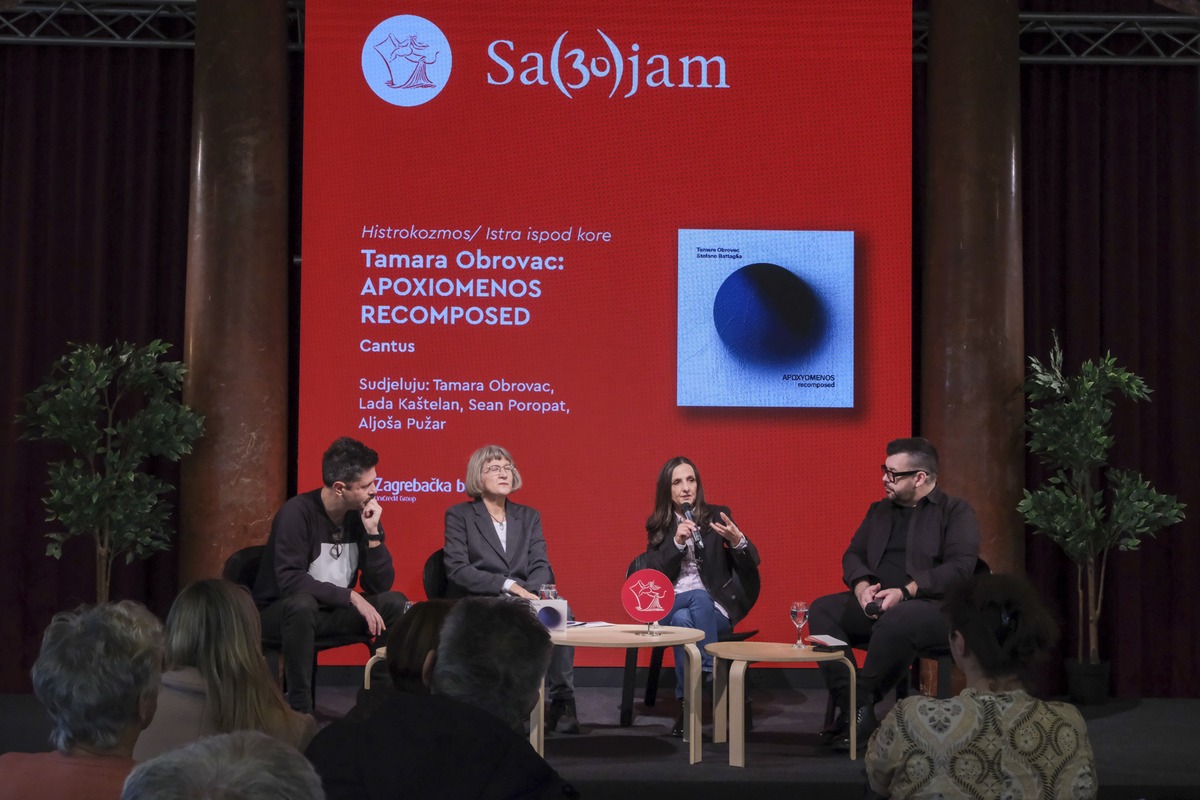
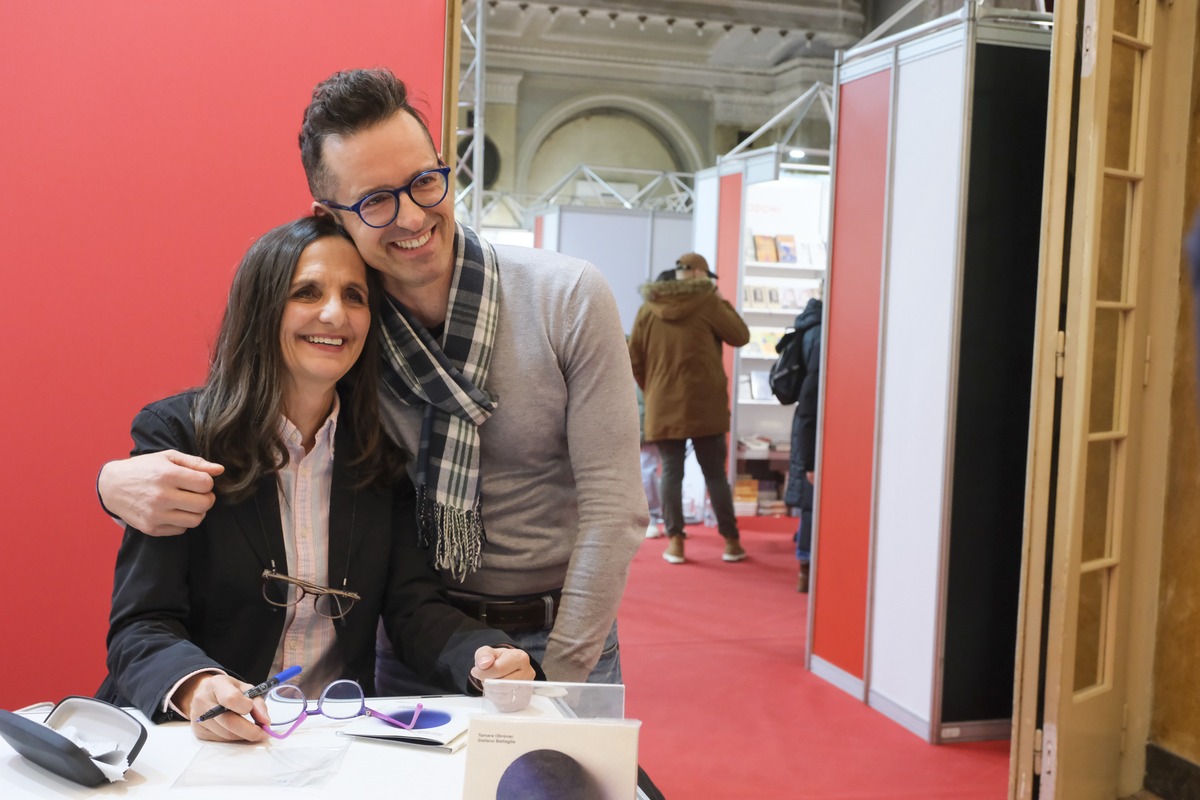
As part of the Histrokozmos program Istria Unearthed, Tamara Obrovac presented her project Apoxiomenos Recomposed (published by Cantus) together with the dramaturge and translator Lada Kaštelan and the designer Sean Poropat, in a session moderated by the inspiring Aljoša Pužar. “I enjoy composing stage music because I use music as a contextualized part of the performance,” said Tamara Obrovac, whose project grew out of her composition for the ballet Apoxyomenos, premiered at the Croatian National Theatre in Zagreb in 2017, in which the dancers also sing. The fair’s audience experienced a magnificent performance of a “sound dramaturgically shaped” which was accompanied by Sean Poropat’s visual imagery that reflected the harmony between Tamara’s music and the ancient Greek text. Lada Kaštelan explained “how thought gained its melody,” while Tamara expressed special praise for her collaborator on the project, the pianist Stefano Battaglia, for his filigree-like pianistic style.
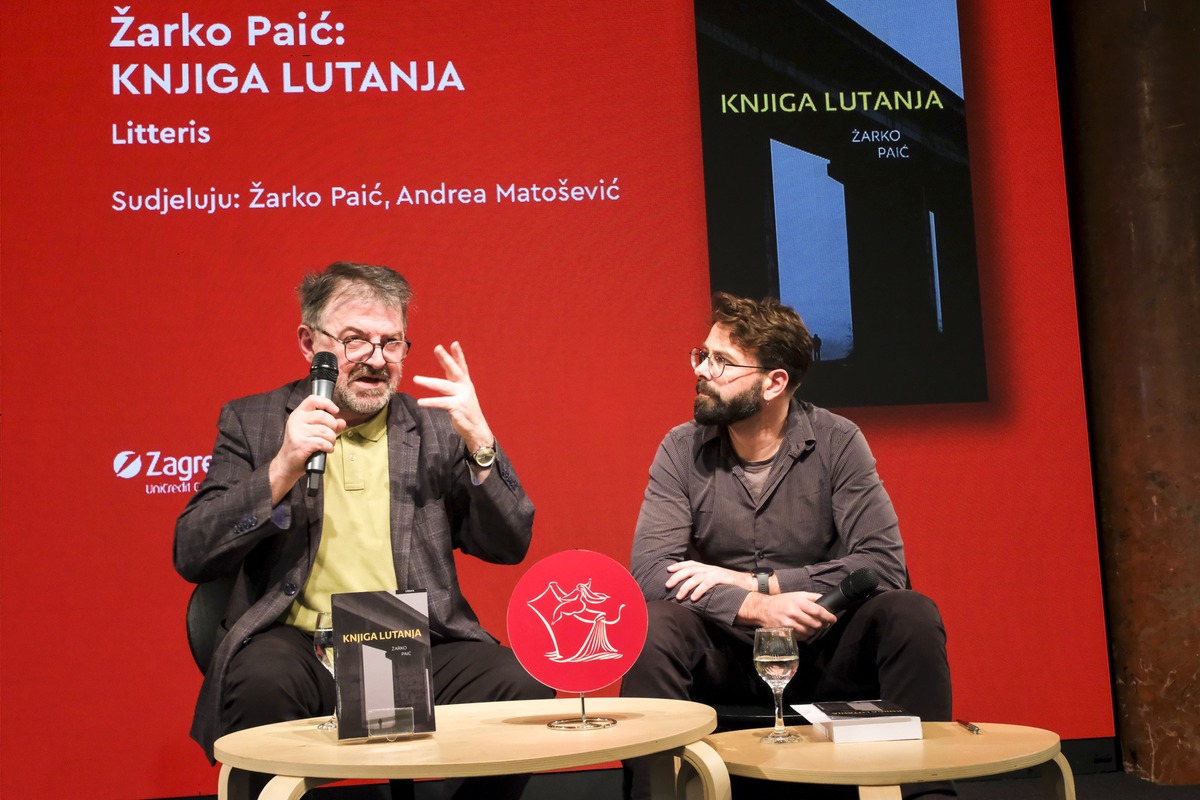
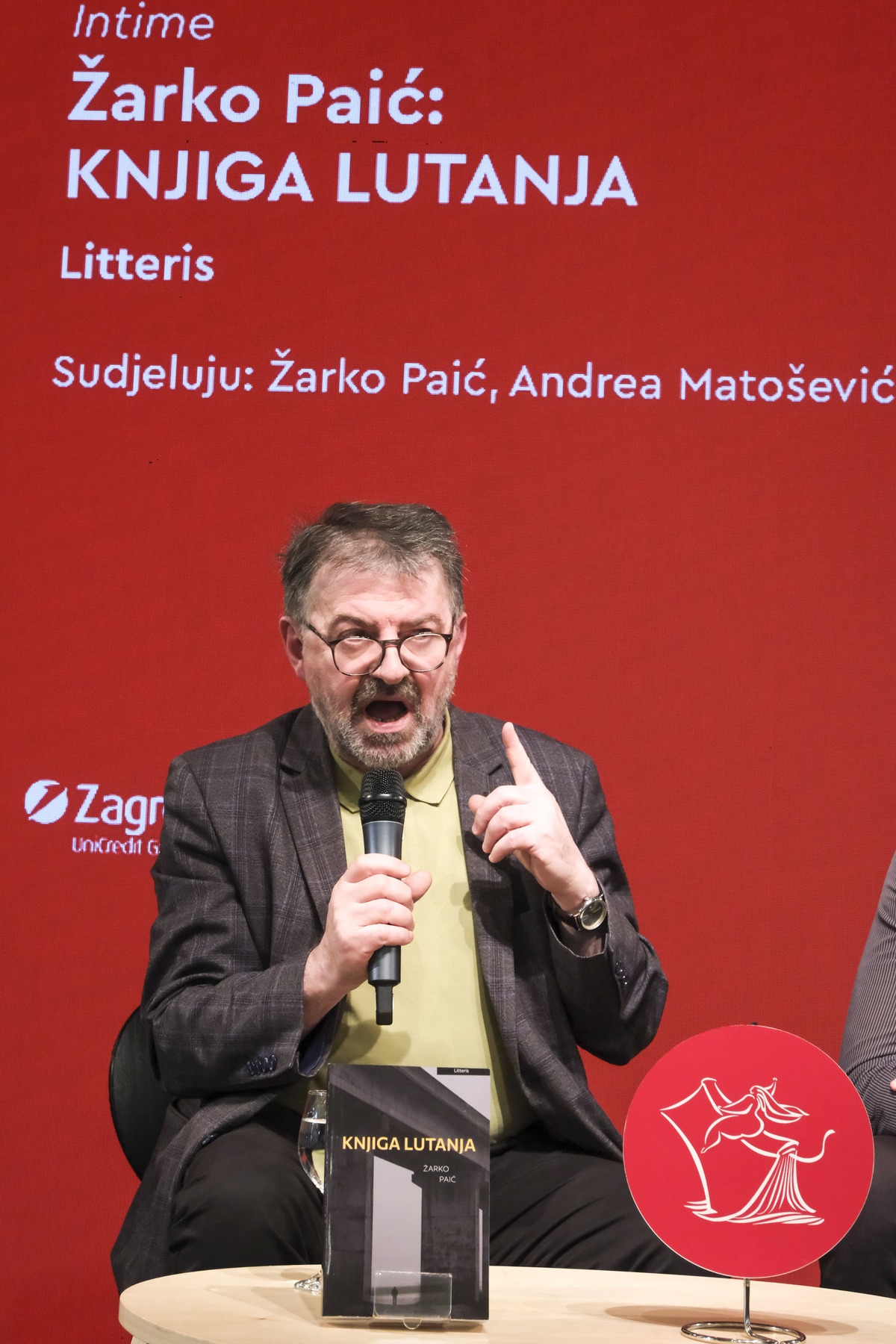
“We find ourselves in a situation where there is no world, it is a matter of the radical fulfilment of power. It is the end of all the principles on which the world once rested,” said Žarko Paić during the program Intimacies while presenting his new book The Book of Wandering (Knjiga lutanja, published by Litteris). Paić stated: “Wandering is the greatest possible challenge to discover the possibility of an entirely new path, one we did not have until now.”.
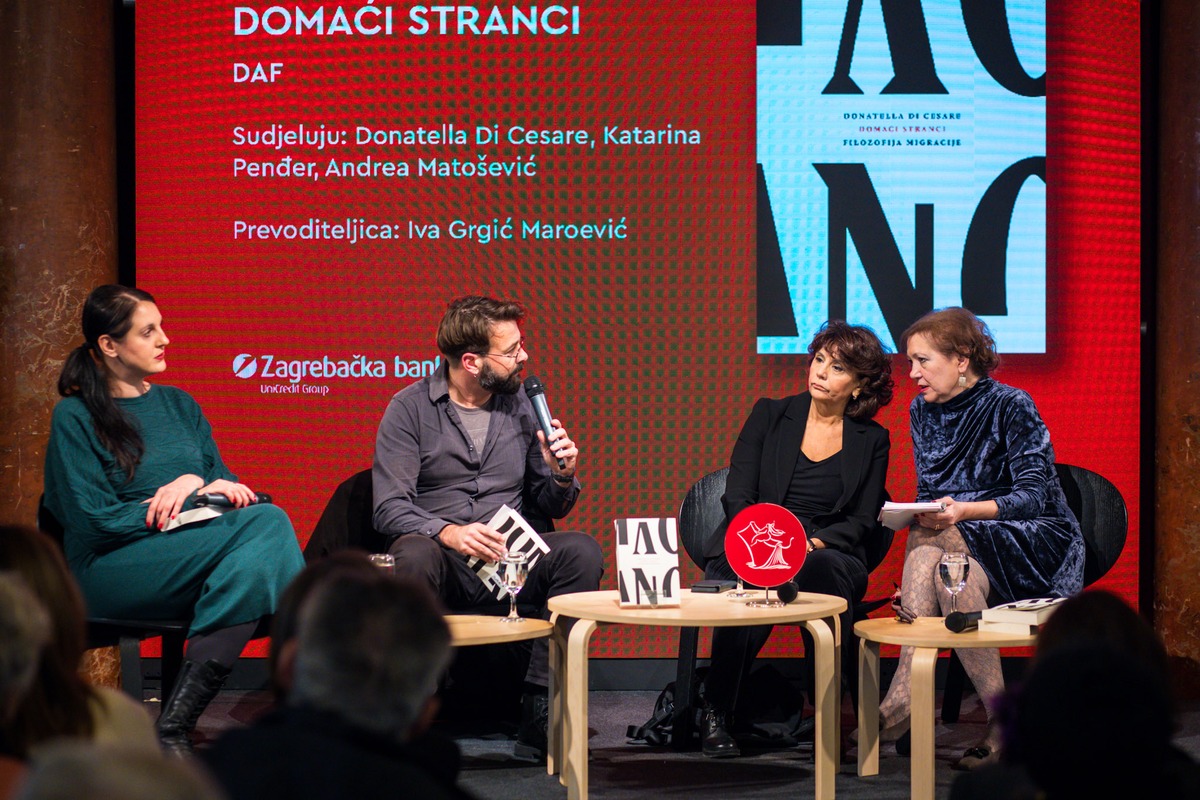
“Today we witness a Europe in which many advocate for closing state borders, understanding them as national states, while forgetting that those who migrate do not do so to wander the world, but to seek a new community where they will be accepted. The figure of a migrant is also crucial for questioning the concepts of nation and nation-state. The problem of migration is rooted in the very concept of nation-state. We have forgotten that democracy does not equate with ethnocracy. It is precisely against this that I write,” said, among other things, the political philosopher Donatella di Cesare, whose book Resident foreigners: a philosophy of migration (published by DAF) was presented within the Island – Ghetto – Asylum program.
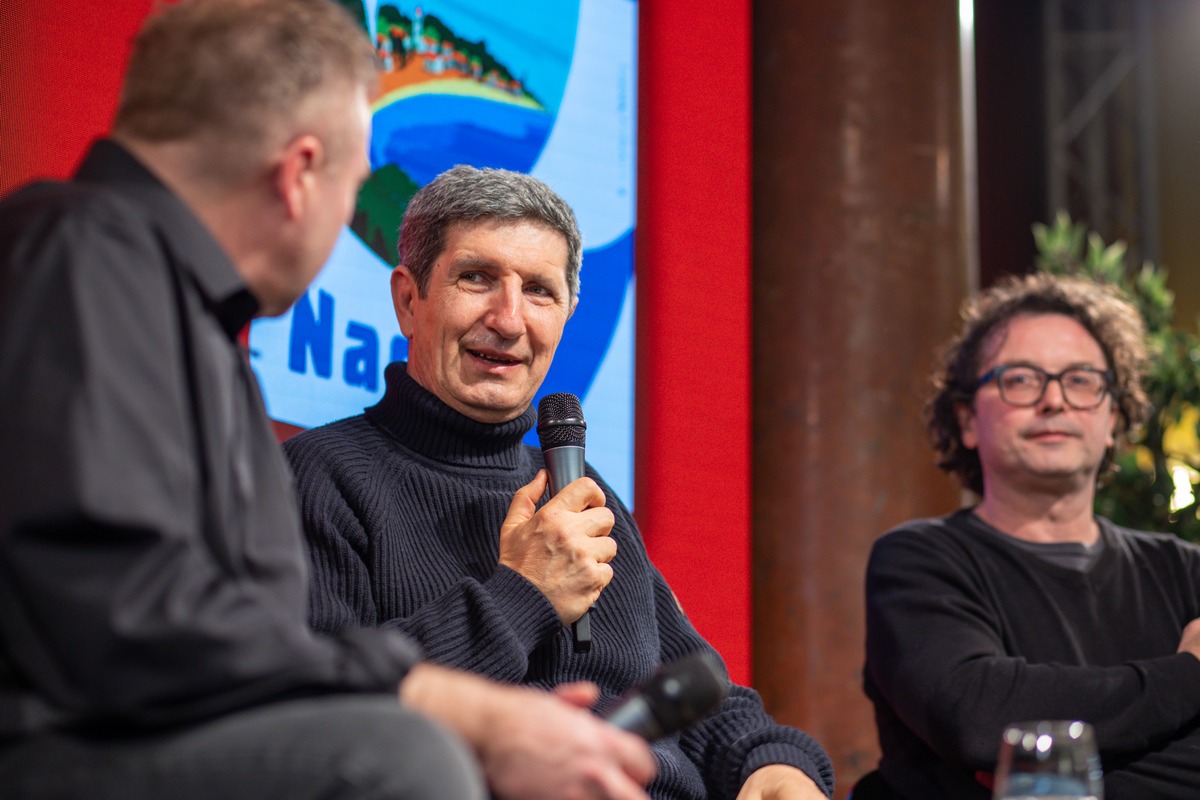
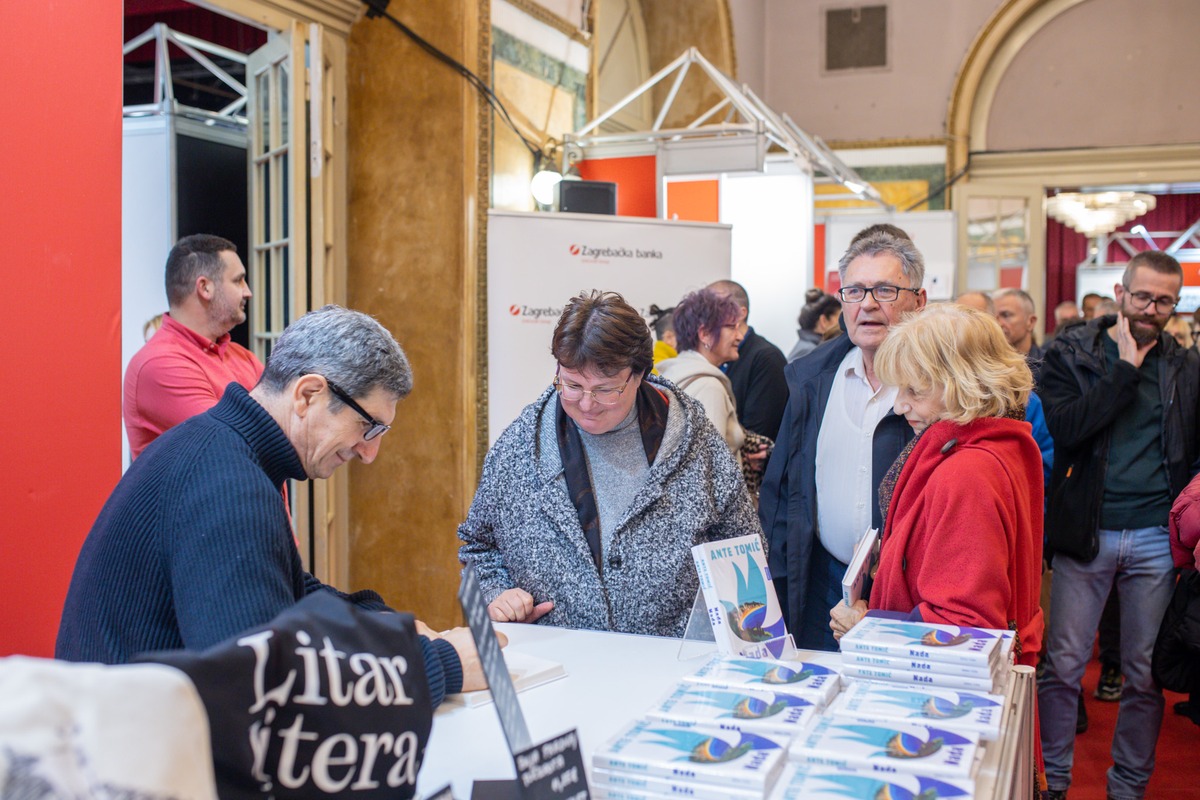
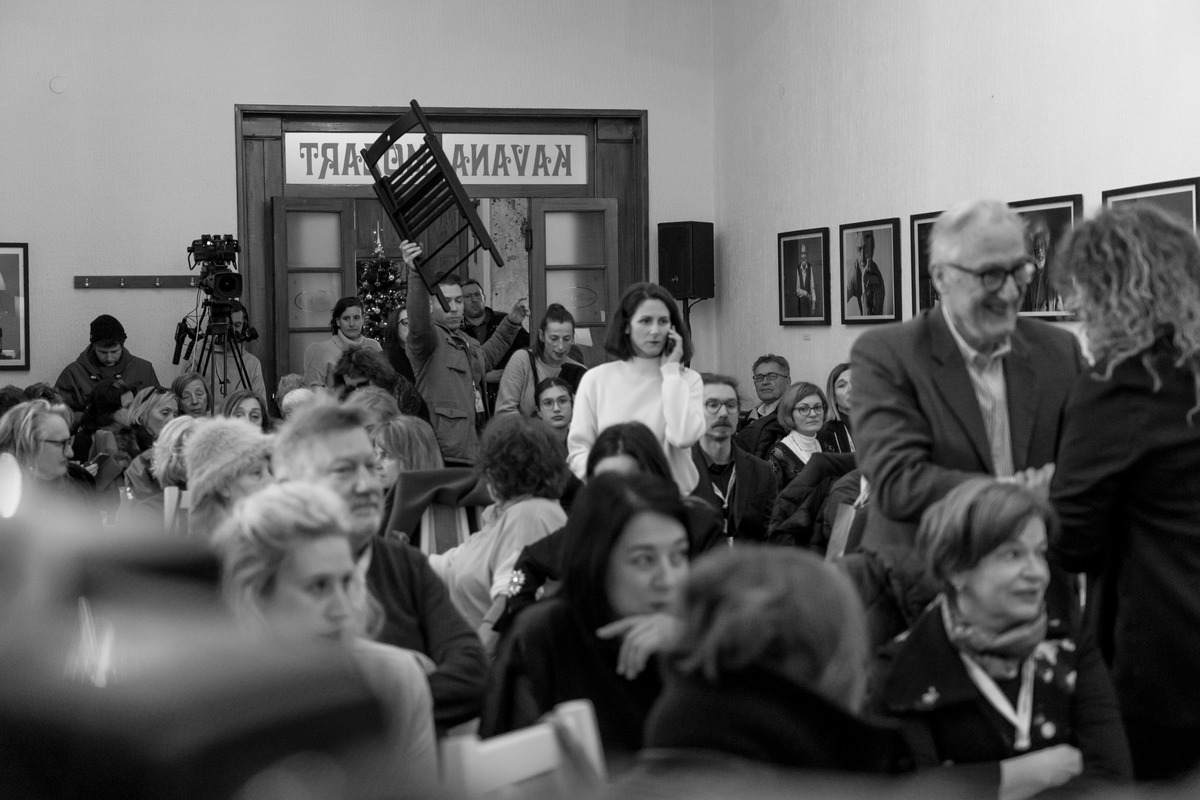
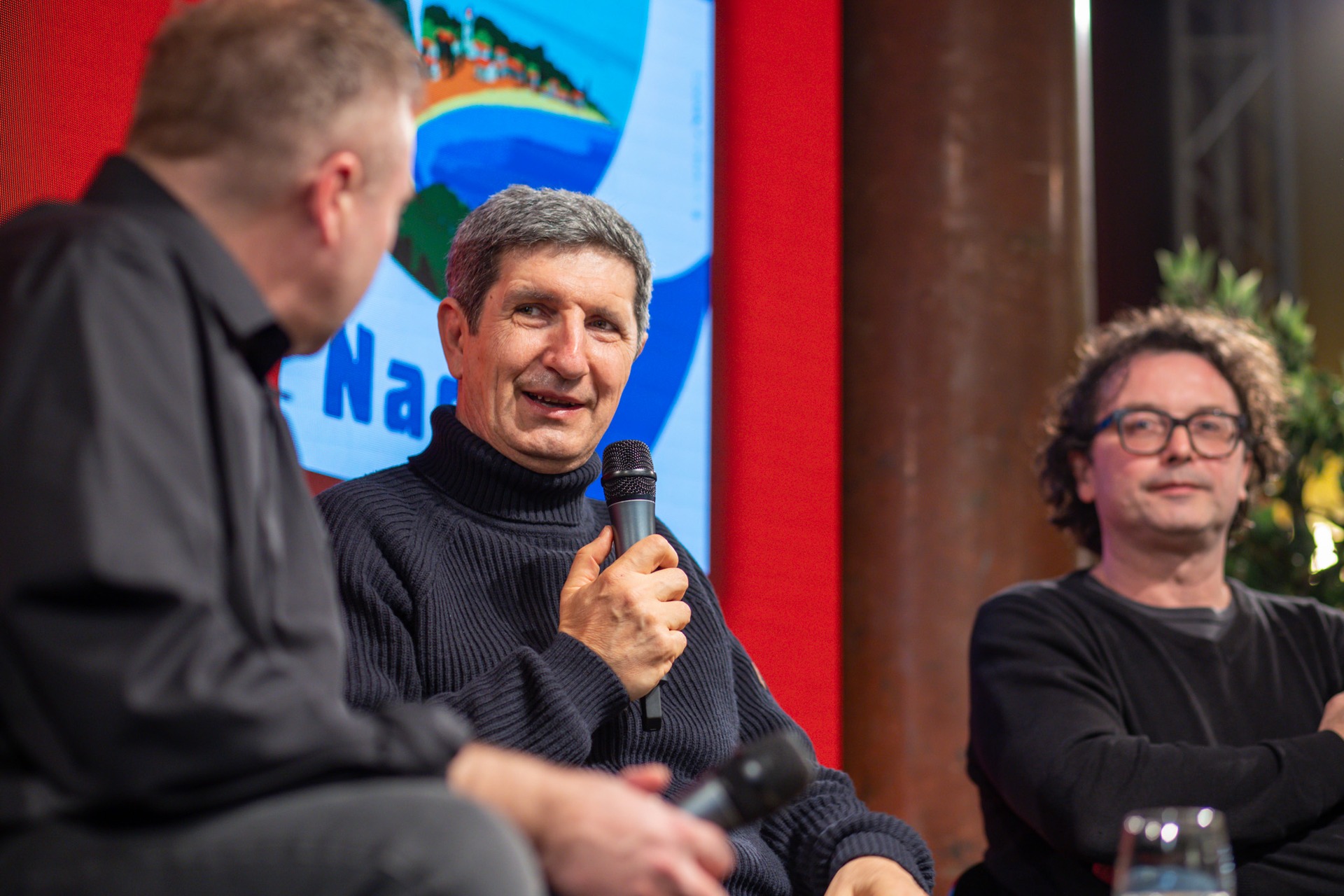
The most attended event of the second day of the fair, which according to the host Emir Imamović Pirke was predominantly attended by a female audience, featured Ante Tomić, who presented his new novel Hope (Nada, published by Hena com). Pirke introduced the novel as “a warm story about good people in abnormal times.” “I truly felt the need to write something good, because our reality is indeed terrible. I tried to write about some traumatic topics that matter to us, and to do so without the anger that usually accompanies such writing. I do that myself when I write for newspapers,” said Ante Tomić, whose novel Hope (Nada) has attracted the interest of Srđan Dragojević to be adapted into film and was translated into French by Marko Despot.